
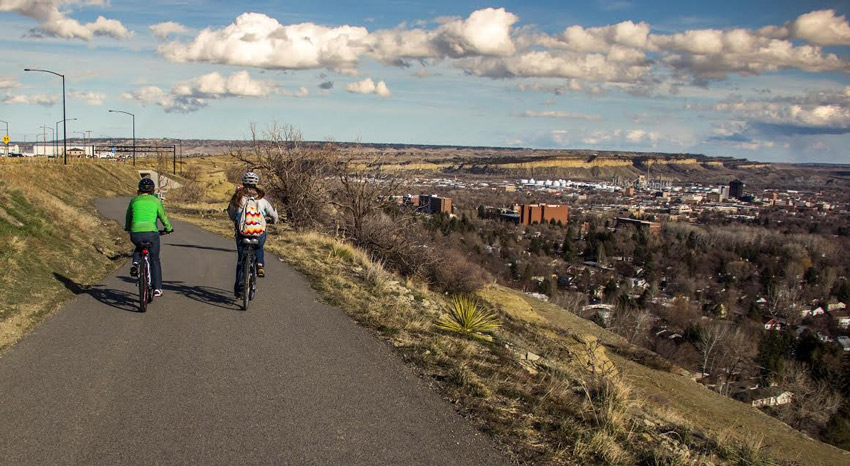
As gas prices continue to climb, many people are feeling the strain on their daily budgets. Commuting, running errands, and even short trips can quickly add up at the pump. While car travel is often convenient, it’s not always the most cost-effective, or healthiest option. Walking and biking are gaining attention as practical alternatives that can help you save money while improving your overall well-being.
Choosing to walk or bike instead of driving, even for a few trips each week, can make a noticeable difference. You eliminate fuel costs, reduce wear and tear on your vehicle, and avoid the stress of fluctuating gas prices. Beyond the financial benefits, these options offer valuable physical activity, helping to provide a variety of health benefits.
Safety should always be the top priority when traveling, including by foot or by bicycle. Before heading out, make sure you are prepared and aware of your surroundings. If you’re biking, always wear a properly fitted helmet to reduce the risk of head injuries. Both pedestrians and bicyclists should wear bright or reflective clothing, especially in low-light conditions, to remain visible to drivers. Using lights and reflectors on your bike or person is essential when traveling at dawn, dusk, or night.
It’s also important to follow all traffic laws. Bicyclists should ride in the same direction as traffic, obey signals and signs, and use hand signals to communicate turns. Pedestrians should use crosswalks whenever possible and remain alert, avoiding distractions like texting. Making eye contact with drivers at intersections can help ensure they see you.
Switching to walking or biking doesn’t have to be an all or nothing decision. Even small changes, like walking to a nearby store or biking to work once or twice a week, can lead to financial savings and health benefits over time.